
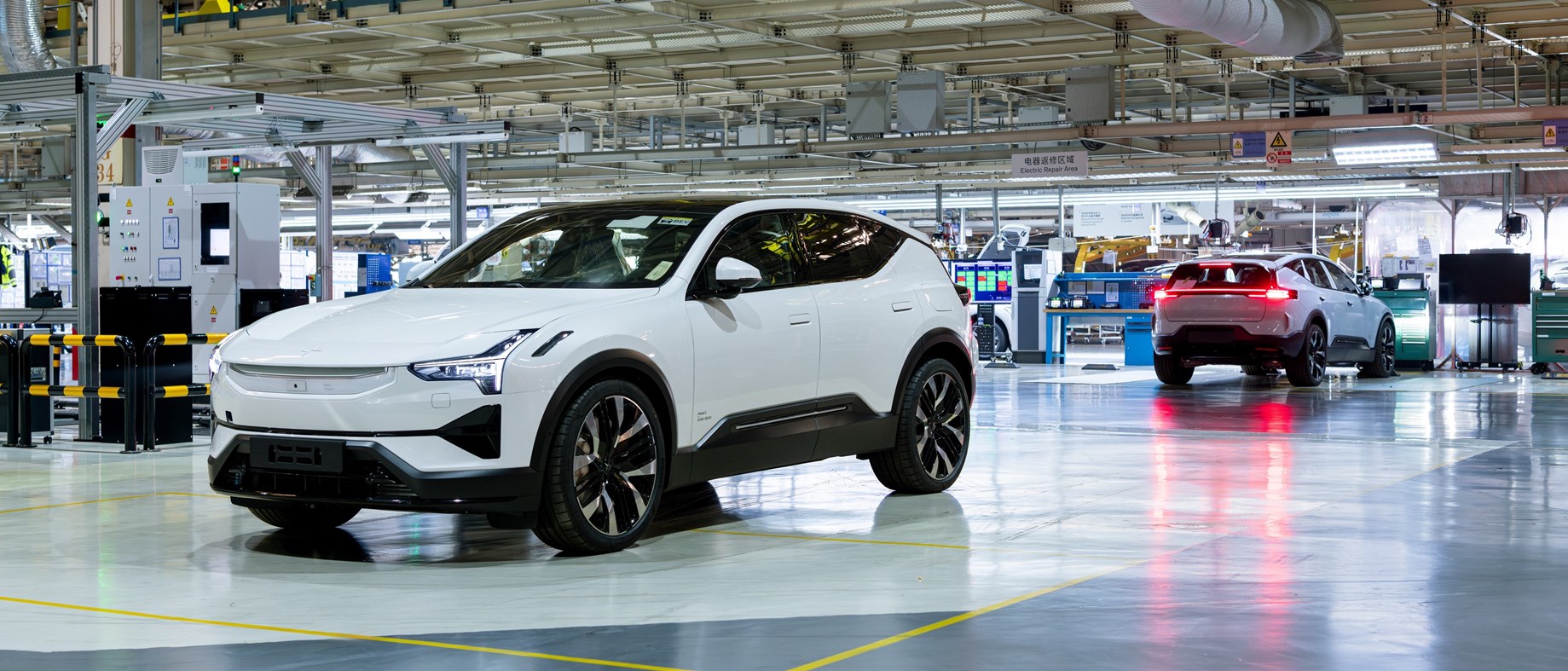
| Introduction: The Role of Production in the U.S. Economy | Production has always been a cornerstone of the U.S. economy. Manufacturing not only provides jobs for millions of Americans but also generates substantial GDP contributions. Today, the industry is undergoing a transformation as companies incorporate automation, sustainability, and technological innovations to stay competitive. As global dynamics shift, U.S. production faces both opportunities and challenges that will shape its future. |
| Current Trends in U.S. Production | The landscape of U.S. production is shifting rapidly, driven by new technologies, global events, and changing consumer demands. Here are some of the most notable trends impacting U.S. manufacturing today. |
| Automation and Industry 4.0 | One of the most significant trends in U.S. production is the rise of automation. Industry 4.0, which involves the integration of smart technologies like robotics, the Internet of Things (IoT), and artificial intelligence (AI), is revolutionizing production lines. Automation not only boosts efficiency but also reduces labor costs and improves safety. As companies invest in these technologies, they are able to enhance productivity and remain competitive in a fast-paced global market. |
| Sustainability and Green Manufacturing | Another major trend in U.S. production is the growing focus on sustainability. Manufacturers are increasingly adopting green practices, such as reducing waste, conserving energy, and sourcing eco-friendly materials. The push for sustainability is driven by consumer demand for environmentally responsible products, as well as stricter environmental regulations. Green manufacturing practices not only help protect the environment but can also lead to cost savings and long-term viability for companies. |
| Reshoring and Supply Chain Diversification | Over the last decade, U.S. companies have been reshoring production, bringing manufacturing jobs back to the country. This trend is largely due to rising labor costs in overseas markets, supply chain disruptions, and a desire for more control over production quality. The COVID-19 pandemic exposed vulnerabilities in global supply chains, prompting many companies to diversify their supply sources or reshore production to avoid future disruptions. This reshoring trend is creating new job opportunities and boosting U.S. manufacturing capacity. |
| Key Industries Driving U.S. Production | Several key industries are currently driving the production sector in the United States, contributing significantly to the economy and providing job opportunities. |
| Automotive Industry | The U.S. automotive industry remains one of the largest sectors in manufacturing, producing millions of vehicles annually. As electric vehicles (EVs) become more popular, U.S. automakers are investing heavily in new technologies and production facilities to meet consumer demand. Companies like Tesla, General Motors, and Ford are at the forefront of this transition, working on innovations in EV technology, autonomous vehicles, and manufacturing automation. |
| Technology and Electronics | The technology and electronics industries are booming in the U.S. with companies like Apple, Intel, and Microsoft continuing to push the boundaries of innovation. The shift toward digital transformation, including cloud computing, artificial intelligence, and semiconductor production, has driven growth in this sector. As demand for tech products continues to rise, U.S. manufacturers are ramping up production to meet global needs. |
| Aerospace and Defense | The aerospace and defense industry is another critical driver of U.S. production. With companies like Boeing, Lockheed Martin, and Raytheon leading the charge, the U.S. remains a dominant player in global aviation and defense manufacturing. The demand for military and commercial aircraft, space exploration technologies, and defense systems continues to grow, providing a strong foundation for the sector. |
| Food and Beverage Production | The food and beverage industry is another cornerstone of U.S. manufacturing. With a vast network of producers, processors, and distributors, the sector plays a crucial role in feeding the nation and exporting products worldwide. From packaged foods to dairy and meat products, U.S. food manufacturers are adapting to consumer preferences for healthier, organic, and plant-based options, driving innovation and growth in this space. |
| Impact of Global Events on U.S. Production | Global events, including pandemics, trade wars, and political changes, have a significant impact on U.S. production. These events can disrupt supply chains, alter production strategies, and create new challenges for manufacturers. Let’s take a look at how recent global events have influenced U.S. mttimes.us. |
| COVID-19 Pandemic and Production Challenges | The COVID-19 pandemic was a defining event for global production, and the U.S. was no exception. Manufacturers faced supply chain disruptions, shutdowns, and labor shortages. Companies had to quickly adapt to new safety protocols and find ways to keep production lines running. While many sectors have recovered, the pandemic’s impact is still felt, with companies continuing to navigate challenges related to workforce shortages and fluctuating demand. |
| Trade Tariffs and International Relations | Trade tariffs and international relations play a significant role in U.S. production, especially for industries like technology, automotive, and agriculture. Tariffs on imports can increase costs for U.S. manufacturers, while changes in international relations can create uncertainties in global supply chains. The ongoing trade tensions between the U.S. and China have particularly impacted industries reliant on overseas production and parts. |
| The Future of U.S. Manufacturing and Production | The future of U.S. production looks promising, with advancements in technology, workforce development, and government initiatives paving the way for growth and innovation. Let’s explore what’s on the horizon for U.S. manufacturing. |
| Adoption of Advanced Technologies | The continued adoption of advanced technologies, including AI, robotics, and 3D printing, is set to transform U.S. production. These innovations will increase manufacturing efficiency, improve quality control, and enable new production methods. Companies that invest in cutting-edge technologies will have a competitive advantage, and as these technologies become more accessible, even smaller manufacturers will be able to leverage them. |
| Workforce Development and Skills Training | As manufacturing becomes more technology-driven, there is a growing need for workers with specialized skills. To meet this demand, workforce development programs are becoming more common. Companies, educational institutions, and government agencies are working together to provide training in advanced manufacturing techniques, ensuring that the U.S. has a skilled workforce ready to take on the challenges of modern production. |
| Government Policies and Initiatives | The U.S. government plays a significant role in shaping the future of production. Policies focused on encouraging innovation, promoting green manufacturing, and supporting local industries are key to fostering a strong manufacturing base. Programs like the Manufacturing Extension Partnership (MEP) and incentives for reshoring production are helping companies grow and stay competitive. |
| Challenges Facing U.S. Production | While the future of U.S. production is bright, there are several challenges the sector must address to maintain its global competitiveness. These challenges include labor shortages, supply chain disruptions, and regulatory hurdles. |
| Labor Shortages and Skill Gaps | The U.S. manufacturing sector is experiencing a significant labor shortage, particularly in skilled trades. As baby boomers retire and fewer young people enter the workforce, companies are struggling to find qualified workers. Addressing this skill gap through education and training programs will be essential to ensuring the continued success of U.S. production. |
| Supply Chain Disruptions | The pandemic revealed how vulnerable global supply chains can be. Disruptions in shipping, material shortages, and labor shortages have led to delays and increased costs for manufacturers. As companies look to diversify their supply chains and adopt more local production strategies, mitigating supply chain risks will remain a top priority. |
| Environmental Concerns and Regulatory Compliance | Environmental sustainability is a growing concern for U.S. manufacturers. Companies must comply with regulations aimed at reducing emissions, waste, and energy consumption. While many manufacturers are embracing green practices, the cost of implementing sustainable solutions can be a barrier, especially for small businesses. Navigating environmental regulations while maintaining profitability will be a key challenge moving forward. |
| Conclusion: Strengthening the U.S. Production Landscape | The future of U.S. production is filled with opportunities and challenges. The adoption of advanced technologies, a focus on sustainability, and an emphasis on workforce development are all contributing to a strong, evolving manufacturing landscape. However, issues like labor shortages, supply chain disruptions, and environmental regulations must be addressed to ensure continued growth and global competitiveness. |