
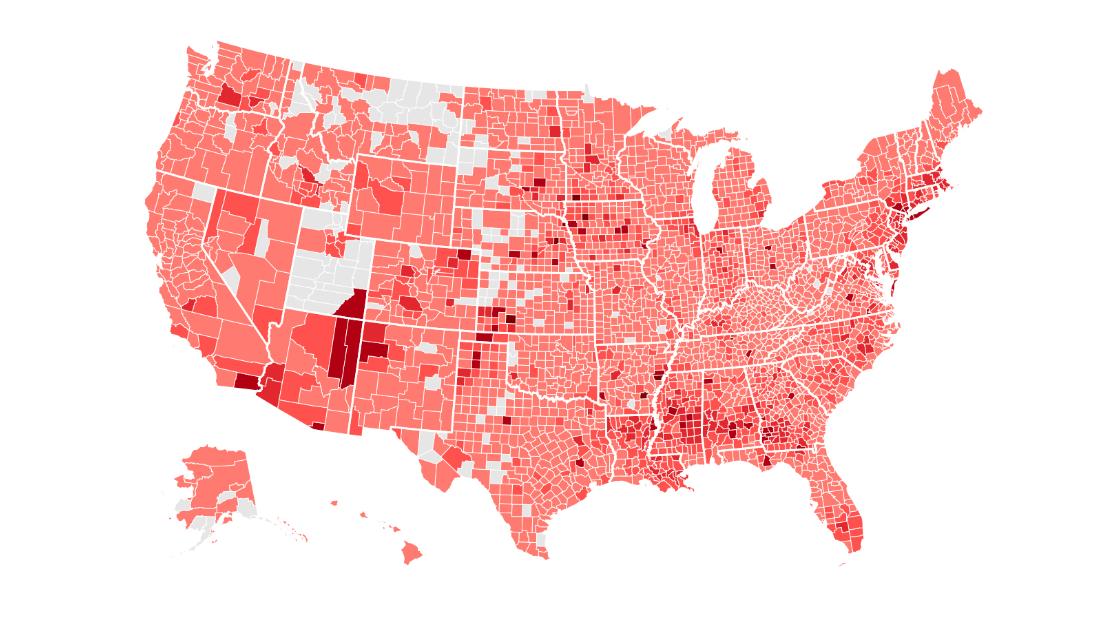
Introduction: COVID-19’s Ongoing Impact in the USA
The USA has faced an unprecedented challenge in the past few years with COVID-19, leading to widespread illness, loss of life, and economic disruption. However, as the country adapts to the evolving situation, it’s clear that the pandemic is far from over. New waves, emerging variants, and public health strategies continue to shape the landscape of COVID-19 in the USA. So, where are we now, and what do Americans need to know to stay safe and informed?
The Current State of COVID-19 in the USA
COVID-19 has shifted from the acute emergency phase to a more prolonged, ongoing issue, but that doesn’t mean the situation is stable. In fact, the current landscape is marked by fluctuations in cases, hospitalizations, and community transmission rates. Let’s take a closer look at the situation as it stands today.
Recent COVID-19 Statistics and Trends
As of early 2025, COVID-19 cases have risen slightly, with some regions reporting a 15-20% uptick compared to the previous month. The virus is still circulating, although the severity of cases has been significantly reduced due to widespread vaccination efforts. According to the CDC, hospitalization rates have dropped substantially compared to 2020, but there are still localized spikes, particularly in communities with lower vaccination rates.
In terms of deaths, the numbers have decreased significantly due to vaccines and treatments, but COVID-19-related fatalities are still occurring, especially among the elderly and immunocompromised individuals.
Variants of Concern: Are They Affecting the Current Situation?
Variants of concern like Omicron and its subvariants are still playing a role in the virus’s spread. Although less severe, these variants are more transmissible, leading to quicker surges in specific regions. The good news is that vaccines, particularly with boosters, remain highly effective at preventing severe outcomes. However, breakthrough cases are more common with newer variants, which is why maintaining preventive measures, like mask-wearing in high-risk areas, is still crucial.
Vaccination Efforts: Where Do We Stand?
Vaccination has been one of the most powerful tools in managing the COVID-19 crisis. As of 2025, the vaccination rate in the USA is impressive, with approximately 80% of the eligible population having received their initial doses. However, challenges remain in achieving full coverage, particularly in some rural and conservative areas where vaccine hesitancy persists.
Vaccine Availability and Distribution
Vaccines are readily available across the country, and distribution channels have significantly improved since the initial rollout. You can easily find vaccines at local pharmacies, hospitals, and even through mobile vaccination units. However, some parts of the country, especially rural areas, continue to experience logistical challenges, slowing the pace of vaccination.
Booster Shots: Are They Necessary?
The short answer is yes—booster shots are now widely recommended. While the initial vaccines were highly effective, immunity wanes over time, making booster shots essential for maintaining robust protection against the virus. The CDC recommends boosters for individuals who completed their vaccination series more than six months ago, particularly those in high-risk groups or areas experiencing surges.
Government Response and Policies
The USA’s response to the pandemic has varied by state, with some implementing strict policies and others opting for a more relaxed approach. The federal government continues to provide guidance, but states retain significant autonomy over public health decisions. Here are some of the latest developments:
New Federal and State Mandates
While some states have lifted most COVID-related mandates, others are still enforcing mask-wearing, especially in indoor public spaces. Some cities and states have also introduced vaccine requirements for certain workers, such as healthcare and education employees. However, debates about personal freedoms and governmental intervention continue to spark controversy across the nation.
Travel Restrictions and Guidelines
International travel restrictions remain fluid, depending on case numbers in both the USA and abroad. The federal government has tightened travel rules in response to rising cases in certain countries, including mandatory testing and quarantine for travelers. It’s important for anyone planning travel to stay up-to-date on the latest guidelines, as they frequently change based on the evolving situation.
Health Systems and Hospital Capacity
nejournal.us’s impact on the healthcare system is still a major concern. Hospitals, particularly in regions with lower vaccination rates, continue to face high levels of strain. Healthcare workers are exhausted from the prolonged nature of the pandemic, and many are leaving the profession due to burnout.
Impact on Hospitals and Healthcare Workers
Hospitals are still feeling the pressure of COVID-19 surges, particularly in the ICU, where patients with severe symptoms are admitted. In addition, there is an ongoing strain due to postponed non-COVID medical treatments, which have built up during the pandemic. Healthcare workers are stretched thin, and mental health support for these individuals has become a major focus.
Mental Health: The Hidden Toll of the Pandemic
The pandemic has also taken a severe toll on the mental health of Americans. Isolation, grief, anxiety, and uncertainty have increased the demand for mental health services. The mental health crisis continues to be a major public health issue, with many individuals struggling to cope with the ongoing challenges brought about by COVID-19.
Public Reactions and Public Health Strategies
The pandemic has forced communities across the country to adapt in ways they never expected. From remote work to virtual learning, life has been significantly reshaped. Public health strategies have also evolved as we’ve learned more about the virus.
Public Hesitancy Toward Vaccines
One of the biggest hurdles in fighting the pandemic is vaccine hesitancy. Despite overwhelming evidence of the safety and effectiveness of vaccines, a portion of the population remains hesitant or outright resistant. Addressing misinformation and building trust in health experts will be crucial in overcoming this challenge.
How Communities Are Adapting
Communities are finding innovative ways to adapt to the reality of living with COVID-19. Schools have adopted hybrid learning models, while businesses have embraced remote work. Many people are adjusting their daily routines to incorporate safety measures, such as wearing masks or using telemedicine.
Looking Forward: What’s Next for COVID-19 in the USA?
What does the future hold for COVID-19 in the USA? Experts predict that while the virus will continue to circulate for some time, it’s likely that the severity of illness will decrease, thanks to ongoing vaccination efforts and improved treatments. COVID-19 may eventually become an endemic virus, like the seasonal flu, requiring periodic updates to vaccines and public health strategies.
Conclusion: Staying Prepared and Informed
Although the worst of the COVID-19 pandemic may be behind us, the virus is still very much a part of our lives. Staying informed, following health guidelines, and getting vaccinated remain critical for protecting ourselves and our communities. Let’s continue to stay vigilant as we move forward, adapting to the changing circumstances while looking toward a future where we can safely live with COVID-19.