
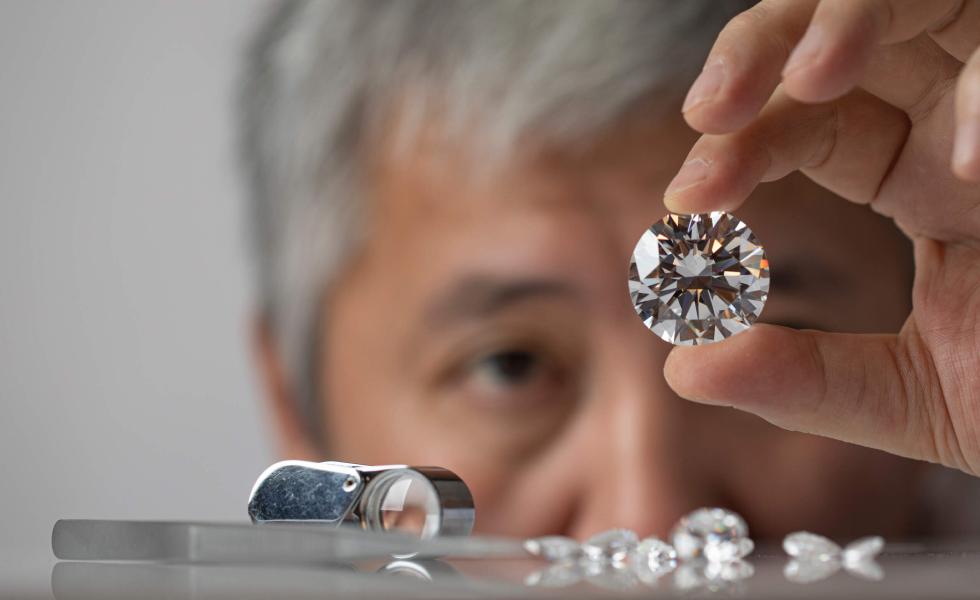
In the quest for the perfect diamond, many buyers face a fundamental question: should they choose a natural diamond or a lab-grown one? With advancements in technology and growing environmental and ethical concerns, lab grown diamonds are better emerging as a superior option. But what exactly makes these synthetic gems better? Let’s dive into the details.
1. The Science Behind Lab-Grown Diamonds
What are Lab-Grown Diamonds?
Lab-grown diamonds, also known as synthetic diamonds, are created in controlled environments using advanced technological processes. Unlike simulants like cubic zirconia or moissanite, lab-grown diamonds are chemically, physically, and optically identical to mined diamonds.
How Are They Made?
Two primary methods produce lab-grown diamonds: High Pressure High Temperature (HPHT) and Chemical Vapor Deposition (CVD). HPHT mimics the natural conditions under which diamonds form in the earth, applying high pressure and high temperature to a carbon source. CVD lab grown diamonds, on the other hand, involves decomposing gas molecules in a vacuum chamber to deposit carbon atoms layer by layer, forming a diamond crystal.
2. Environmental and Ethical Considerations
Eco-Friendly Choice
Mining diamonds has a significant environmental impact, including land degradation, deforestation, and biodiversity loss. In contrast, lab-grown diamonds require significantly less energy and do not involve harmful mining practices, making them a more sustainable choice.
Ethically Sound
The diamond mining industry has long been plagued by issues such as child labor, unsafe working conditions, and funding of conflicts (commonly known as “blood diamonds”). Lab-grown diamonds are free from such ethical concerns, providing peace of mind that your purchase does not contribute to these injustices.
3. Quality and Cost Efficiency
Superior Quality Control
Cost-Effective Luxury
One of the most compelling reasons to choose lab-grown diamonds is their cost. These diamonds are generally 30-40% less expensive than their natural counterparts. This price difference allows consumers to purchase a larger or higher quality diamond for the same budget.
4. Innovation and Customization
Innovative Technology
The use of advanced technology in producing lab-grown diamonds means constant innovation and improvement. As techniques advance, the quality and variety of available diamonds continue to increase, providing consumers with a broader range of options.
Customization Options
Lab-grown diamonds offer greater flexibility for customization. Since they are produced in labs, specific shapes, sizes, and colors can be tailored to meet individual preferences, making them ideal for unique and personalized jewelry pieces.
5. The Future of Diamonds
Shifting Consumer Preferences
Consumer preferences are shifting towards sustainable and ethical products across all industries, and the diamond market is no exception. Increasing awareness about the benefits of lab-grown diamonds is driving a significant change in the jewelry market.
Growing Market Share
The market share for lab-grown diamonds is rapidly increasing. With their numerous advantages and the declining stigma around synthetic products, lab-grown diamonds are becoming the preferred choice for many consumers.
Conclusion: The Clear Winner
Lab-grown diamonds stand out as the better choice for numerous reasons. They offer the same brilliance and beauty as mined diamonds but with added benefits that align with modern values. By choosing lab-grown diamonds, you are not only making a cost-effective decision but also contributing to a more sustainable and ethical world. The next time you’re in the market for a diamond, consider the lab-grown option — it’s a decision that shines brightly in every way.