
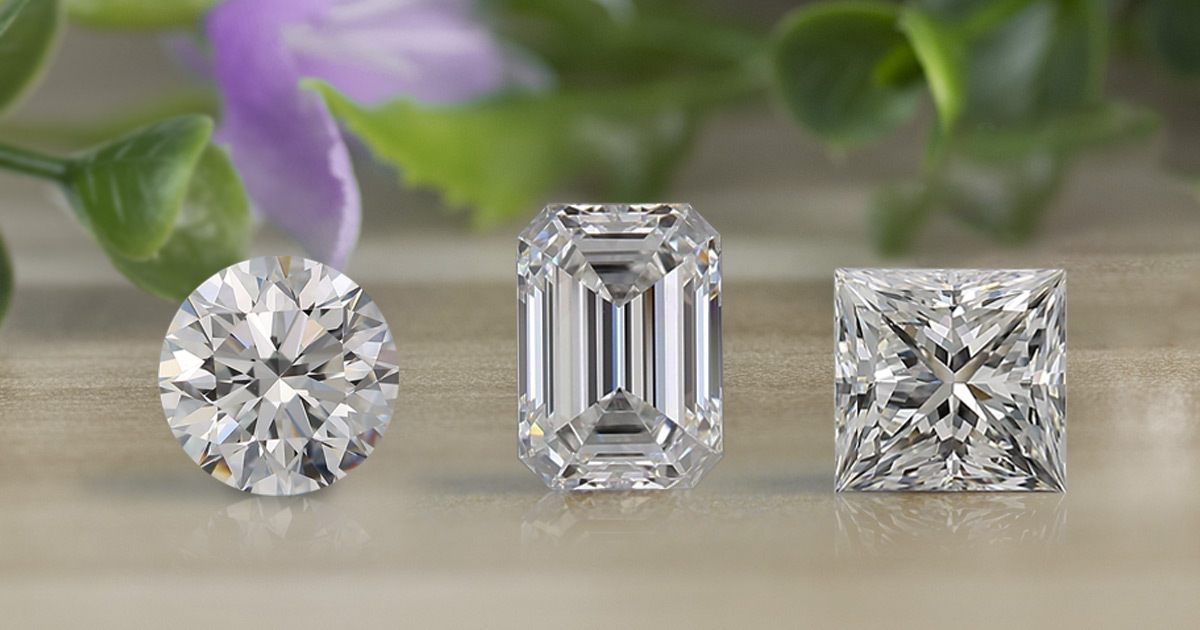
Introduction to Lab Diamonds
Lab diamonds, also known as synthetic diamonds or cultured diamonds, are created in laboratories under controlled conditions that mimic the natural diamond-growing process. Unlike natural diamonds formed over millions of years beneath the Earth’s crust, lab diamonds are grown using advanced technological methods within a significantly shorter timeframe.
History and Development
The concept of creating diamonds in a lab isn’t new. Early experiments date back to the mid-20th century, but it was in the 21st century that technological breakthroughs enabled commercially viable production. Today, lab diamonds are crafted using either High-Pressure, High-Temperature (HPHT) or Chemical Vapor Deposition (CVD) methods, which replicate the conditions necessary for diamond crystal growth.
Benefits of Lab Diamonds
One of the primary advantages of lab diamonds lies in their minimal environmental impact. Unlike traditional mining, which involves extensive excavation and disruption of ecosystems, lab diamond production is relatively eco-friendly. Additionally, lab diamonds are free from the ethical concerns associated with some natural diamond mining practices, offering consumers a guilt-free choice.
Quality and Certification
Lab diamonds undergo rigorous grading processes to assess their quality and ensure they meet industry standards. Organizations like the Gemological Institute of America (GIA) provide certifications that guarantee a lab diamond’s authenticity and characteristics, such as cut, clarity, color, and carat weight.
Comparative Analysis: Lab vs. Natural Diamonds
While lab diamonds possess the same physical and chemical properties as natural diamonds, they are typically more affordable. This affordability stems from lower production costs and a controlled supply chain, making lab diamonds an attractive option for budget-conscious consumers without compromising on brilliance or durability.
Popularity and Market Trends
In recent years, the demand for lab diamonds has surged as more consumers prioritize sustainability and ethical sourcing. Jewelry designers and manufacturers have responded by expanding their offerings of lab-grown diamond jewelry, catering to a growing segment of environmentally conscious buyers.
Production Process
Lab diamonds are created through two main methods: HPHT and CVD. The HPHT method subjects carbon to high pressures and temperatures similar to those found in the Earth’s mantle, while CVD involves depositing carbon atoms onto a substrate in a controlled environment. Both processes result in the formation of diamond crystals that are then cut and polished into finished gems.
Lab diamonds, created in controlled environments using advanced technology, offer a brilliant alternative to mined diamonds. These gems are chemically and physically identical to natural diamonds, boasting the same dazzling sparkle and durability. Unlike their earth-mined counterparts, lab diamonds are produced with minimal environmental impact and ethical concerns. They’re crafted using two primary methods:
Applications of Lab Diamonds
Beyond jewelry, lab diamonds are used in various industrial applications where the properties of natural diamonds—such as hardness and thermal conductivity—are beneficial. These applications include cutting tools, optical components, and high-performance electronics.
Myths and Misconceptions
Despite their growing popularity, lab diamonds are often misunderstood. Common misconceptions include doubts about their durability or brilliance compared to natural diamonds. However, advancements in production technology have minimized these differences, making lab diamonds virtually indistinguishable from their natural counterparts to the naked eye.
Consumer Guide: Buying Lab Diamonds
When purchasing lab diamonds, it’s essential to consider factors such as the diamond’s cut quality, color grade, and clarity characteristics. Trusted retailers and jewelers certified by reputable organizations offer assurance of a diamond’s authenticity and value. Online platforms also provide a convenient way to compare options and prices before making a purchase.
Environmental Impact Assessment
An important aspect of lab diamonds is their positive environmental footprint. By reducing the demand for mined diamonds, lab-grown alternatives contribute to conservation efforts and minimize the ecological footprint associated with traditional diamond mining practices. Lifecycle analyses further demonstrate the sustainability benefits of choosing lab diamonds over natural ones.
Future Outlook and Innovations
Looking ahead, ongoing research and development in diamond-growing technology are expected to enhance the quality and affordability of lab diamonds. Innovations such as larger diamond crystals and improved color control are likely to expand the market for lab-grown diamonds, making them an even more viable choice for consumers worldwide.
Case Studies and Testimonials
Real-life experiences from consumers and industry experts highlight the growing acceptance and satisfaction with lab diamonds. Testimonials often cite the ethical peace of mind and excellent value for money as key reasons for choosing lab-grown diamonds over natural alternatives.
Conclusion
In conclusion, lab diamonds represent a compelling option for today’s conscientious consumers who value sustainability, ethics, and quality. With their identical chemical composition to natural diamonds and significantly reduced environmental impact, lab-grown diamonds are reshaping the jewelry industry. Whether for engagement rings, earrings, or other fine jewelry pieces, choosing a lab diamond ensures beauty without compromise. Embrace the future of diamonds with confidence, knowing that your choice makes a positive difference in the world.